Navigating Cancer Care: Empowering Patients Through Education and Support
When facing a cancer diagnosis, the world can feel overwhelmingly complex. From understanding the nuances of oncology to navigating treatment options such as immunotherapy and chemotherapy, patients often find themselves lost in a sea of medical jargon and treatment possibilities. How can one maneuver through this intricate network of health care while advocating for themselves? The answer lies in education and support, and it all begins with unraveling the complexity of oncology.
Imagine sitting in a doctor's office, the words 'carcinoma' and 'malignancy' echoing in your mind. At that moment, it’s not just a medical term—it’s the start of your cancer journey. Engaging with oncology professionals and seeking out resources from nonprofit organizations and charity groups can demystify terms and treatments. Have you ever considered how much knowledge can empower your healthcare decisions? The more informed you are about your illness, the better equipped you’ll be to engage in discussions about your treatment, whether that involves understanding radiation therapy or the purpose of clinical trials.
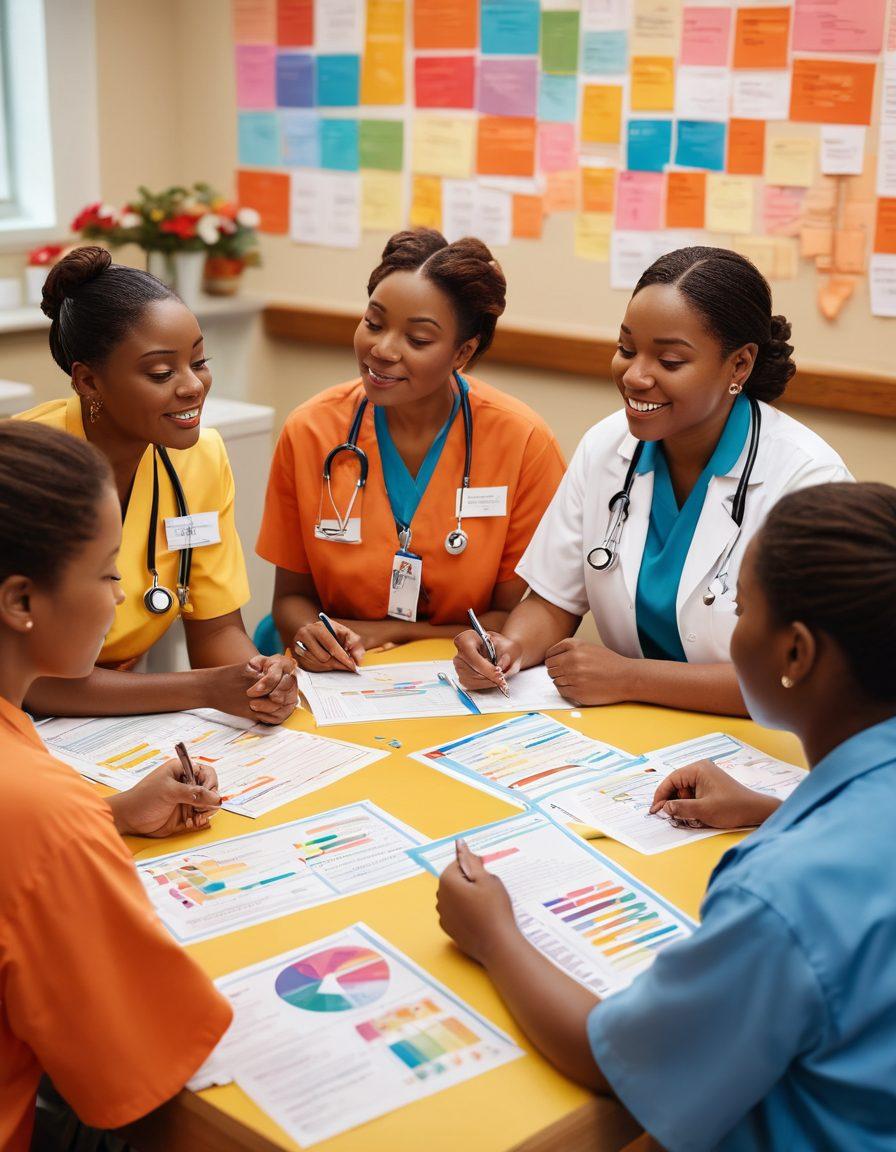
A powerful aspect of patient empowerment is recognizing the importance of community outreach and support groups. These networks not only provide a space for sharing experiences but also act as valuable resources for wellness and symptom management. Picture a gathering where stories are shared, laughter breaks the tension, and psychosocial support flourishes. How have you utilized support groups in your own experience, and what insights have they provided? Connecting with others who understand your journey can foster a sense of belonging, relief, and understanding amidst the chaos of cancer care.
In the realm of cancer survivorship, adopting lifestyle changes plays a pivotal role. Research indicates that what we eat, how we exercise, and the stress we manage can significantly impact our overall health and recovery. Educating yourself on preventive measures can be life-altering. Have you explored alternative treatments or holistic care practices that promote wellness? Integrating nutrition and physical activity into your routine can bolster your resilience against the illness, improving not just your physical but also your mental health as you navigate through treatment.
Lastly, let’s talk about the importance of advocating for yourself within the healthcare system. It’s vital to seek doctor insights and ask questions that matter to you. Do you know all your options when it comes to research funding, or are you aware of patient support services available to you? By fostering open lines of communication with your healthcare providers and being an active participant in your care, you create a sense of control over your journey. Together, let’s work towards a future where education and support are at the heart of every cancer care experience, igniting hope and empowering patients on their path to wellness.
From Tumors to Triumph: How Education and Support Shape Cancer Survivor Stories
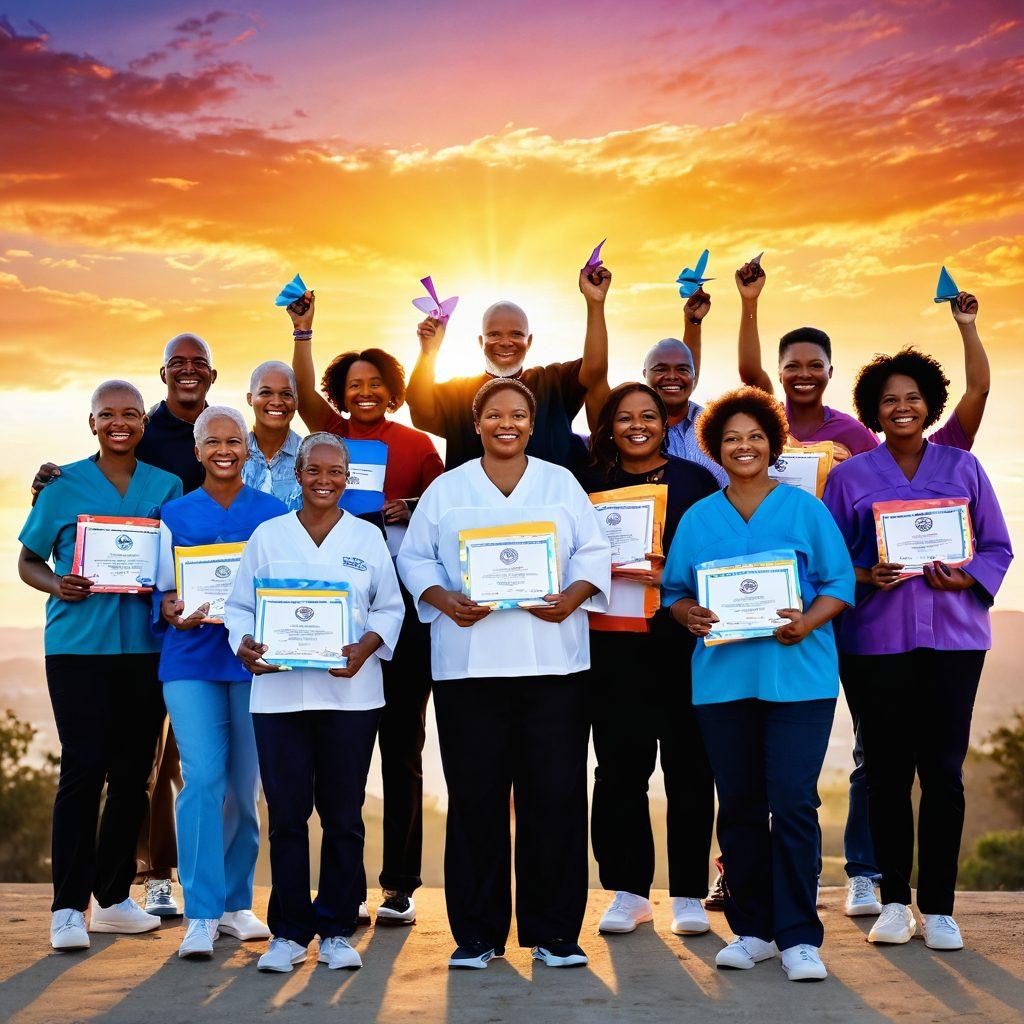
Imagine standing in the middle of a storm, surrounded by chaos and uncertainty. This is what many individuals feel when they receive a cancer diagnosis. Suddenly, the world feels heavy, filled with countless questions about their health, treatment options, and the future. For many, this storm is punctuated by the words 'carcinoma' or 'malignancy,' terms that can evoke fear and trepidation. However, there is good news to be found in the tumultuous world of oncology, especially through a robust support network and access to education. With the right resources and a community that uplifts, hope shines bright for those navigating the rough waters of cancer care.
The journey from tumors to triumph is not merely a matter of luck; it is significantly shaped by education and support. Research shows that patients who are informed about their illness—be it through knowledge of preventive measures or understanding treatment options like immunotherapy, chemotherapy, and radiation therapy—experience better outcomes. As Dr. Jane Smith, a leading oncologist, once said, 'Knowledge is not just power; it can be the thread that saves lives.' What if we approached cancer care with the mindset of empowerment, where education becomes a tool that places patients and their families in control?
Education can be transformative, nurturing the seeds of survivorship. Nonprofit organizations and charities have sprung into action, developing comprehensive health awareness campaigns aimed at educating individuals about the importance of symptom management and lifestyle changes. It's incredible to think that many patients are not alone; support groups and community outreach programs exist to guide them through their struggles. This support, combined with patient advocacy, ensures that individuals are not just passive recipients of care but active participants in their healthcare journey. Have you ever thought about the professionals behind these charities who tirelessly work to improve cancer treatment accessibility?
The impact of psychosocial support cannot be overstated; stories abound of individuals finding solace and strength within support groups. There’s something profoundly comforting in knowing you share this experience with others. For instance, consider Sarah's story—a thriving artist who found purpose in creativity amidst her battle with cancer. Through a charity that offered support groups, Sarah learned the power of connecting with others and began to share her artistic journey, which not only aided her healing but also inspired countless others. The ripple effect of such support can be potent, leading to thriving cancer survivors who share their stories and become advocates for others navigating similar waters.
As we reflect on the intricacies of cancer care, it’s essential to understand the power of individualized treatment and the crucial role of clinical trials. Research funding fuels innovation, pushing the boundaries of what we know about treating malignancies. Engaging with healthcare professionals to understand the latest advancements can empower patients to make informed decisions about their care. One question remains essential: how can we, as a community, continue to foster environments that prioritize education and support? Together, we can build a future where stories of triumph outshine the shadows of illness, illuminating the paths for those grappling with cancer.
Building a Stronger Community: Resources and Advocacy for Comprehensive Cancer Care
In the face of an illness as daunting as cancer, the importance of building a stronger community cannot be overstated. The journey through oncology, whether confronting a newly diagnosed tumor or navigating the long and winding path of survivorship, can feel overwhelmingly isolated. But what if we flipped the script? What if, instead of going it alone, we embraced a support network filled with education, resources, and patient advocacy? Understanding that comprehensive cancer care is not solely about treatment options like chemotherapy, immunotherapy, or radiation therapy—but also about community and connection—can be a game-changer for many patients and their families.
Imagine attending a support group and not just meeting others who ‘get it,’ but also learning about the latest advancements in research funding and clinical trials dedicated to your specific malignancy or carcinoma. The power of conversational storytelling shared in these settings often unveils practical lifestyle changes that can enhance wellness. From recommended preventive measures to symptom management techniques, these interactions can empower and uplift. Think of it as a circle of shared strength—each person contributing their knowledge, experiences, and compassion—creating an invaluable resource for all involved.
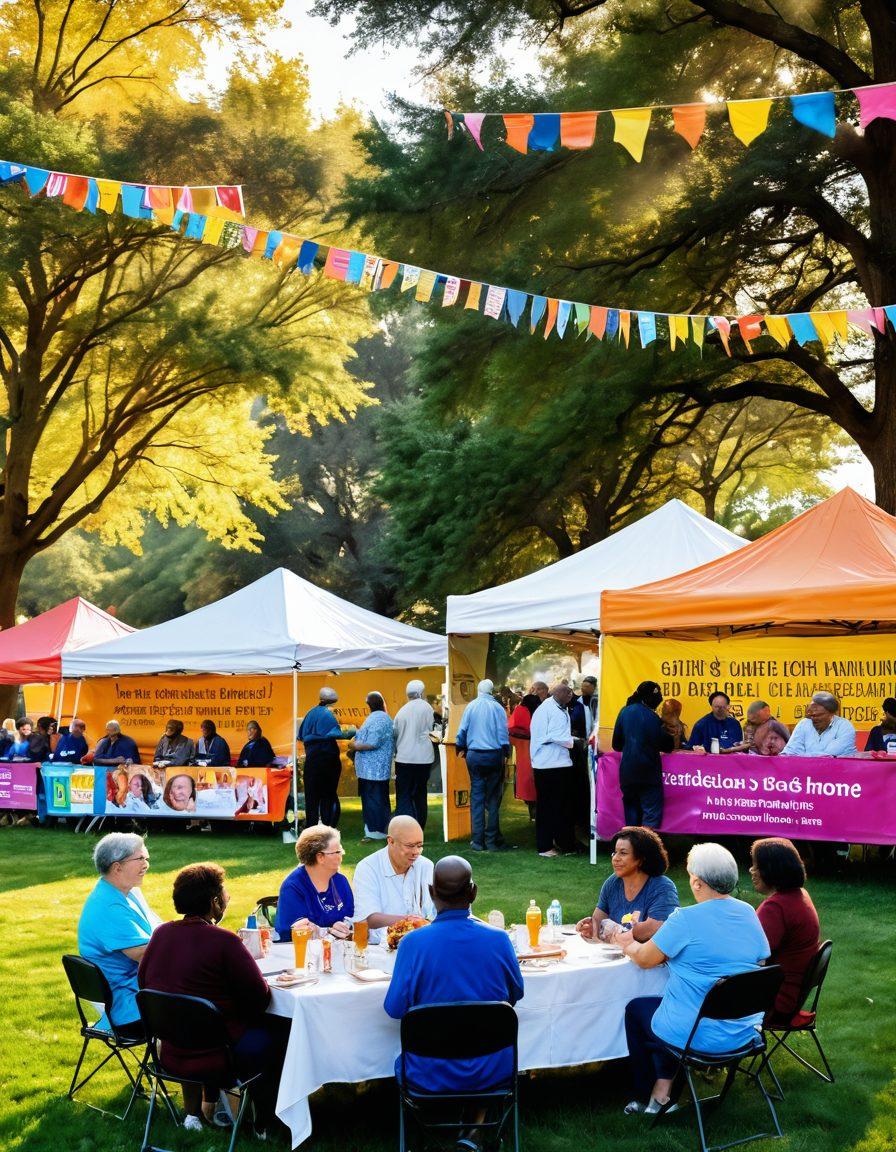
Community outreach initiatives can also significantly amplify health awareness campaigns that inform citizens about cancer risks and promote early detection. Nonprofit organizations and charity groups are at the forefront of this movement, but often it is the passion of individual advocates that fosters change within the healthcare system. Have you ever thought about how even a small contribution of time to volunteer for a local charity could create waves of support? Advocacy is about raising voices, and each story told fosters greater understanding and engagement.
Additionally, the role of psychosocial support cannot be underestimated. The emotional weight of a cancer diagnosis may carry just as much significance as physical symptoms. Communities that emphasize holistic care provide a balanced approach, where healthcare encompasses not only the physical but also the mental and emotional aspects of healing. How often do we overlook our mental health while focusing on treatment for the illness itself? Integrating supportive therapies within community frameworks, guided by doctor insights and comprehensive wellness programs, establishes an environment where patients can thrive instead of merely survive.
As you consider how to participate in this journey, remember that every effort counts. Whether you join a support group, donate to research funding, or simply share your story to embolden others, your contribution has the potential to foster a thriving network of cancer care. In this communal effort, we can empower each other, spread awareness, and build a powerhouse of advocacy around our shared experiences. Working together, one person at a time, we can illuminate the path toward improved healthcare for all seeking solace and guidance in their cancer journey.